
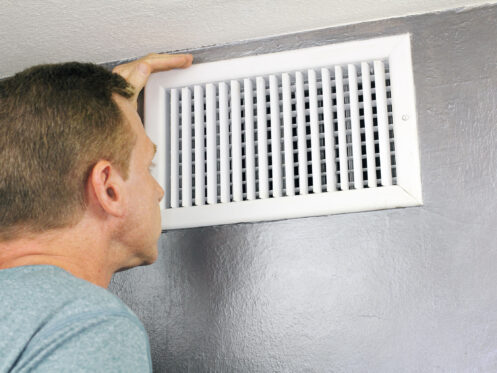
When winter arrives and you rely on your furnace to keep your home warm, there are few problems that are more frustrating than cold air coming from your vents. Instead of the steady, comforting flow of heat, you notice a chilly draft spreading through the house. A furnace that blows cold air does not always mean the system has failed, but it does signal an underlying issue that needs attention. Understanding the causes helps you respond quickly to restore warmth to your living space and avoid further damage.
Incorrect Thermostat Settings
The first place to check is your thermostat. You may easily overlook this small device, but it acts as the brain of the heating system. If you set the fan to “on” instead of “auto,” the blower keeps running even when the furnace burners do not produce heat. This results in room-temperature or cold air circulating through your ducts. Switching the fan setting back to “auto” allows the blower to operate only when the furnace actively heats the air.
Sometimes the thermostat itself malfunctions. A weak battery or faulty wiring can cause the furnace to receive incorrect signals, leaving you with cold air instead of heat. When you replace the batteries or recalibrate the device, it may provide a solution, but experiencing constant issues may require you to get a new installation.
Dirty Air Filters
A furnace depends on a steady flow of air to function efficiently. When filters clog with dust and debris, airflow becomes restricted. In some cases, the limited airflow causes the furnace to overheat, which triggers safety controls that shut off the burners. With the burners off, the blower continues running, and cold air pours into your rooms. Replacing or cleaning filters on a regular schedule prevents this problem and extends the life of your furnace. If you notice cold air accompanied by weak airflow, a dirty filter may be the reason.
Pilot Light or Ignition Problems
Gas furnaces require a pilot light or an electronic ignition system to ignite the burners. If the pilot light is not lit, the burners cannot produce heat, leaving the blower to push out cold air. Older furnaces often have a standing pilot light that can extinguish due to drafts or a faulty thermocouple. Relighting it usually restores heat, but frequent outages signal that repairs are necessary.
Modern furnaces rely on electronic ignitions, which can fail due to worn components or electrical issues. In such cases, the furnace cycles on but does not ignite, so the blower distributes unheated air. You will need to contact our team of heating repair professionals to replace faulty igniters or electrical parts.
Clogged Condensate Lines
High-efficiency furnaces generate condensation during the heating process. This water drains through a condensate line, but the line can clog with debris or freeze during extremely cold temperatures. When that happens, the furnace shuts down to protect itself. The blower may continue to run, producing cold air from the vents. Clearing the line or ensuring proper drainage restores normal operation.
Overheating and Safety Shut-Offs
Furnaces have built-in safety mechanisms to prevent damage and fire hazards. If the furnace overheats, these mechanisms will shut off the burners. Dirty filters, blocked vents, or failing internal components can cause overheating. When the safety shut-off engages, the blower often continues to run, which spreads cool or lukewarm air throughout your home.
Frequent overheating requires immediate attention because repeated shutdowns put strain on the system and shorten its lifespan. Addressing airflow restrictions or scheduling professional maintenance resolves the problem and restores reliable heating.
Ductwork Leaks and Disconnections
If the furnace appears to function normally but the air feels cold when it reaches your rooms, the issue may lie in the ductwork. Cracks, gaps, or disconnected sections of ducting allow warm air to escape before it reaches the vents. At the same time, cold air from unheated areas such as attics or basements can enter the ducts and dilute the heated air.
During an inspection, our team will identify leaks and make sure that ducts are properly sealed and insulated. Repairing ductwork improves comfort, efficiency, and indoor air quality while preventing your furnace from overworking.
Fuel Supply Issues
Gas furnaces require a steady fuel supply to operate. If the gas valve is partially shut or the supply line experiences interruptions, the burners cannot ignite consistently. This results in cycles of cold air as the blower continues operating without heat production. Propane furnaces can face similar issues if the tank runs low.
Ensuring adequate fuel supply and verifying that valves remain open resolves this problem in many cases. Persistent interruptions may point to a more serious issue with the gas line that requires immediate service.
Electrical System Malfunctions
Electric furnaces rely on heating elements rather than burners. If one or more of these elements fail, the furnace may produce insufficient heat or none at all. In some cases, the blower continues pushing air while the faulty element prevents heating, which explains the cold air.
Tripped breakers or faulty wiring can also prevent proper heating in both electric and gas furnaces. Regular electrical inspections help prevent these issues and ensure the safe operation of your furnace.
Improperly Sized Furnace
Sometimes the root cause of cold air relates to the initial installation. If the furnace is too large for the space it serves, it cycles on and off frequently, which prevents consistent heating. If it is too small, it cannot produce enough heat to warm the home. Both situations lead to air that feels cooler than expected.
Professional HVAC contractors perform load calculations to accurately size furnaces. If your furnace consistently struggles to provide warm air despite being in good condition, improper sizing may be the underlying cause.
Preventing Cold Air Problems in the Future
Dealing with a furnace that suddenly blows cold air can be frustrating, but regular maintenance reduces the chances of facing the same problem again. Scheduling professional tune-ups each year gives our team the chance to inspect burners, ignition systems, airflow, and electrical connections. A thorough cleaning also prevents dust and debris from building up inside the system, which improves efficiency and reduces the need to use safety shut-offs.
You can take proactive steps between service visits. Changing filters every one to three months maintains proper airflow and protects the furnace from overheating. Keeping vents unblocked and ensuring that registers remain free of dust supports circulation throughout the home. Paying attention to unusual signs, such as strange sounds, weak airflow, or frequent cycling, helps you catch issues early before they escalate into cold-air problems.
Upgrading insulation or sealing duct leaks also prevents heated air from escaping into unconditioned spaces. When your home retains warmth more effectively, the furnace runs less often, which reduces strain on the system and extends its lifespan. Investing in these improvements keeps the furnace running smoothly and reduces the risk of waking up to chilly air on a cold winter morning.
Keeping Your Home Warm
A furnace that blows cold air will disrupt your comfort and raise concerns about energy efficiency and safety. When you understand the common reasons a furnace blows cold air, you can identify when to call for our help. At Pro Heating and Cooling, Inc., we have been operating in the Portland Metro area since 2016, so we are well-versed in the local climate and what to expect from HVAC systems in the region. Contact us today to schedule an appointment.