
In Portland, we often focus on temperature for home comfort, but humidity is another major factor. The moisture in your indoor air plays a huge role in how comfortable you feel and your HVAC system’s workload. Even when the thermostat seems perfect, excess humidity can make your home feel warm and stuffy.
Excess moisture forces your air conditioner to work harder and longer to achieve the same level of comfort. This leads to higher energy bills and increased strain on the equipment. It can also contribute to significant indoor air quality concerns. Understanding the relationship between humidity and your HVAC system is the first step toward creating a more comfortable, efficient, and healthy living space.
Why Humidity Matters for Indoor Comfort
Have you ever noticed how a cool 75-degree day can feel pleasant, while another 75-degree day feels sticky and hot? The difference is humidity. The moisture level in the air directly affects how your body perceives temperature. High humidity slows down the evaporation of sweat from your skin, which is your body’s natural cooling mechanism.
If your home has high humidity, you might find yourself constantly lowering the thermostat to feel cooler. Unfortunately, this only makes the air colder, not necessarily more comfortable. True indoor comfort is a balance between temperature and moisture levels. When one is out of sync, you feel the difference.
How Humidity Affects HVAC Performance
Your air conditioning system does more than just cool the air; it also removes moisture. This dehumidification process is integral to its function. High humidity can cause the system to work harder, which can negatively affect performance and the components.
Longer Cooling Cycles
An air conditioner removes heat from the air and thermal energy held in water vapor. When your indoor humidity is high, your AC has to spend energy removing moisture from the air before it can effectively lower the temperature. This means the system must run for longer periods to satisfy the thermostat, resulting in longer, less efficient cooling cycles.
Reduced Energy Efficiency
Your HVAC system has to run longer to combat both heat and humidity. This increased runtime directly translates to higher energy consumption and, consequently, more expensive utility bills. When you lower the thermostat while attempting to stay comfortable, efficiency is further compromised.
Increased Wear and Tear
Prolonged operation places additional strain on all the essential components of your HVAC system. The compressor, fan motors, and capacitors are all working harder and for longer than they were designed to. This continuous stress can lead to more frequent breakdowns and may shorten the overall lifespan of your equipment. Investing in humidity control is not just about comfort; it is also about protecting your HVAC investment.
Common Signs Your Home Has a Humidity Problem
It is not always obvious that high humidity is the root cause of your discomfort. Recognizing the signs of high indoor humidity can help you address the problem before it escalates.
- Persistent sticky or muggy feeling
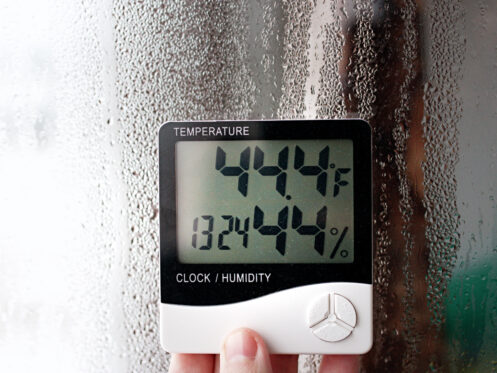
- Condensation on windows and glass doors
- Musty or mildew-like odors
- Differing comfort between rooms
- Peeling paint or wallpaper
- Warped wood floors or furniture
- Unusually high energy bills
Why Humidity Can Be a Challenge in Portland Homes
Portland’s geography presents unique challenges for managing indoor humidity. Its low elevation between the Coast Range and the Cascade Mountains traps the moist air near the ground. We also experience significant rainfall and damp conditions during the cooler months. This outdoor moisture can easily find its way into our homes.
Many modern homes are built to be tightly sealed for energy efficiency. Lack of ventilation prevents drafts, but can also trap moisture inside. Additionally, basements in older homes and crawl spaces are notorious for being damp. These features add to indoor humidity if not properly sealed and conditioned.
How High Humidity Affects Indoor Air Quality
High humidity also creates an environment where airborne contaminants can thrive. This can have a direct impact on your family’s health and well-being.
Moisture is a key ingredient for mold and mildew growth. These fungi can grow on walls, in carpets, and within your ductwork, releasing spores into the air you breathe. High humidity also creates the ideal breeding ground for dust mites, a common allergen.
The combination of these factors can lead to persistent musty odors and may aggravate allergies, asthma, and other respiratory conditions. Improving your home’s indoor air quality often starts with controlling humidity.
What You Can Do About Excess Humidity
While some humidity issues require professional solutions, there are several steps homeowners can take to help manage moisture levels.
- Regularly replace air filters
- Use bathroom and kitchen exhaust fans
- Add ventilation systems
- Promptly address plumbing leaks
- Schedule regular professional HVAC maintenance
When a Whole-Home Dehumidifier Makes Sense
Portable dehumidifiers only have a limited effect and can’t address significant indoor air quality concerns. A whole-home dehumidifier integrates directly with your HVAC system to remove moisture from the air throughout your entire house. This is particularly beneficial for homes with chronic humidity issues, basements, or crawl spaces. It helps maintain optimal comfort without overcooling your home, providing a more effective and efficient long-term solution.
How HVAC Maintenance Helps Control Humidity
Regular professional maintenance is crucial for helping your AC effectively manage humidity. During a tune-up, our NATE-certified technicians perform several tasks that directly impact dehumidification.
We clean and inspect drain lines so the moisture your system collects can drain away properly. Our team also focuses on airflow optimization and system performance checks to ensure every component is working correctly. Proper AC service is one of the best ways to keep your system’s dehumidifying capabilities in top shape.
Improve Comfort and Humidity Control with Pro Heating and Cooling, Inc.
Controlling humidity is essential for a comfortable, efficient, and healthy home. If you’re struggling with sticky air, condensation, or musty smells, the problem may lie with your HVAC system’s ability to manage moisture. At Pro Heating and Cooling, Inc., our experienced team provides honest and professional solutions tailored to your home’s unique needs.
As a locally owned and operated company, we understand the specific challenges Portland homeowners face. We can evaluate your system, identify the source of your humidity problem, and recommend effective solutions. We offer everything from comprehensive tune-ups to installing whole-home dehumidifiers. For expert help with your HVAC system and humidity control in Portland, contact Pro Heating and Cooling, Inc. today.
Frequently Asked Questions
Most experts recommend keeping indoor humidity levels between 30% and 50%. This range is comfortable for most people and helps prevent the growth of mold and dust mites.
This can happen for several reasons. Your AC might be oversized, so it cools the space too quickly and shuts off before it can fully dehumidify. It could also indicate dirty coils, a clogged drain line, or low refrigerant.
Yes, high humidity forces your HVAC system to run longer and work harder to cool your home and remove moisture. This leads to significantly higher energy consumption and more expensive utility bills.
Yes, Portland’s rainy and damp climate can increase the amount of moisture that enters your home from the outside. Tightly sealed homes can trap this moisture, making professional humidity control solutions more important.
A whole-home dehumidifier works in tandem with your HVAC system. Removing excess moisture allows your air conditioner to focus more on cooling. This can improve efficiency, reduce wear and tear, and enhance overall comfort.
Common signs include a clammy or sticky feeling in the air, condensation on windows, musty odors, and visible mold or mildew growth. You can also use a simple device called a hygrometer to measure the exact humidity level in your home.