
Temperatures in Portland, OR usually aren’t scorching in the spring and summer, with July highs averaging only about 81 degrees. However, it can still feel warm, and a hot spell is always possible. Don’t leave yourself without reliable air conditioning. Preparing your HVAC system in the spring allows you to be ready for the warmest days of summer.
Conduct Self-Inspections
Visual self-inspections are an important way to monitor your HVAC system. You should perform them monthly, paying attention to problems like leaks, grinding noises, or burning odors. Check all aspects of your system, including the ductwork, outdoor condenser, and your return and supply vents. Consider making a checklist so that you will remember all the areas to inspect. You can also take notes if you see any signs of trouble, and call us right away so we can assess the situation.
Schedule an HVAC Maintenance Tune-Up
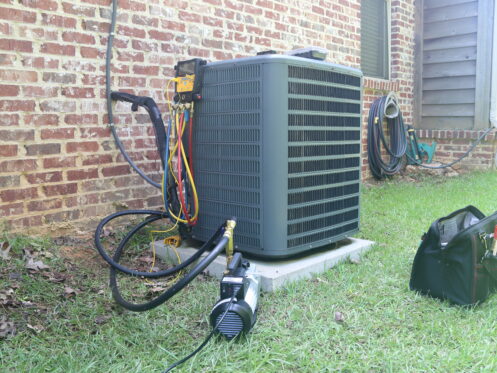
An HVAC tune-up is crucial for preparing your system for spring. Our technicians at Pro Heating and Cooling, Inc. can conduct a comprehensive inspection, checking for safety issues and any other problems. They can also perform several additional tasks, including cleaning components, calibrating the thermostat, inspecting electrical wiring, and checking refrigerant levels. If we notice any issues that require a repair or replacement, we’ll inform you before concluding the appointment.
These tune-ups aren’t just important for older systems. Homeowners should still book one in the spring, even if they have new HVAC equipment. Providing your heating and cooling system with proper care from the beginning gives you an advantage. Professional maintenance can help keep it functioning optimally for as long as possible. With consistent high-quality maintenance, your system could last 15 to 20 years if not longer.
Schedule Repairs and Replacements
If our inspection reveals that your AC needs repair or replacement, it’s important to schedule it promptly. Letting the problems go unaddressed allows them to worsen, especially if you continue to use the system normally. This puts your system at risk for complete failure.
We strongly advise against repairing the issues on your own. This could lead to injuring yourself or causing further damage to the equipment. You might also accidentally void the manufacturer’s warranty. These documents often include terms stating that only licensed HVAC technicians can work on the HVAC equipment. If you void the warranty with a failed DYI attempt, you’ll be responsible for future repair costs.
Replace or Clean the Air Filter
Your air filter plays an essential role in how well your AC operates. Several problems may occur if it’s clogged, such as poor indoor air quality and reduced airflow. It can also cause the system to work harder than necessary, which could lead to an increased risk of repairs or a replacement. Your system will use more energy as it tries to meet your preferred temperature, which can increase your utility bills in the process.
Before you replace or clean the air filter, turn off the system at the electrical panel. For disposable filters, remove the dirty one and put the clean one in. You should do this at least every three months. However, it’s ideal to do it more often if seniors, pets, children, or health-compromised individuals live in your home. Clean reusable filters about every three weeks. Take out the filter, wash it carefully, then put it back in once it dries completely. Turn the system back on once your filter is in place.
Clear the Outdoor Condenser
Your outdoor condenser also needs care. Start by removing any greenery from around it, including tall grass. There should be 2 feet of horizontal clearance on all sides and at least 5 feet of vertical clearance. Make sure nothing is on top, and move furniture or other items away from it.
It’s also a good idea to contact an arborist to check the condition of the mature trees on your property, especially if the branches are hanging over your condenser. Portland can get heavy wind and rain during the spring. If a weakened branch crashes onto the condenser, it could cause significant damage. An arborist can tell you if any branches need pruning. If they do, schedule an appointment promptly, especially before the next storm arrives.
Prepare Your Doors and Windows
Gaps in your door and window frames could allow cool air to escape and warm air to enter, creating an uncomfortable indoor environment. These drafts also make your HVAC system overwork itself trying to reach and maintain the set temperature.
Replacing the doors and windows is the ideal solution, but if that’s not feasible, you can still improve the situation. Use weather stripping and gap filler to seal the gaps around your windows. It’s also smart to apply insulating window film to the glass, as it helps reflect sunlight so that it doesn’t feel so warm in the space. During the day, close curtains and blinds to block the natural light from streaming in and warming your rooms.
You can also use a gap filler to prevent drafts through doorframes. Additionally, slide draft blockers under exterior doors to stop cooled air from escaping.
Prepare Your Ceiling Fans
During the spring and summer, your ceiling fans should spin counterclockwise, creating a downdraft that helps you to feel cooler. This could allow you to raise your thermostat, potentially reducing cooling costs in the process.
Clean your ceiling fan before switching its direction from clockwise to counterclockwise. This reduces the amount of dust and debris on the blades that could go airborne and irritate your eyes, nose, and throat. Use a ceiling fan blade cleaner to simplify the process so that you don’t have to stand on a ladder.
Clean the Ductwork
Over time, the inside of ducts can accumulate a significant amount of debris, including dust, mold spores, pollen, human hair, pet dander, and dead insects. As the conditioned air blows through the ducts, it may push the debris out into your environment, where you could end up breathing it in. This is particularly problematic if you have allergies or respiratory conditions. It also lands on your furnishings, creating a dustier space with poor indoor air quality. The debris could also make its way into your HVAC system. If enough of it builds up on the components, it may cause problems like overheating.
We recommend getting the ductwork cleaned every three to five years, but you might want to do it more often if you have severe allergies or respiratory conditions. During a standard HVAC tune-up, our technicians will perform a visual inspection of the ductwork and look for problems like corrosion. Cleaning isn’t part of the service. However, when you call to book spring HVAC maintenance, you can request that we perform both the cleaning and tune-up at the same time.
Take Steps to Maintain Your Comfort
Get your HVAC system in excellent shape for spring. We provide high-quality maintenance, installations, and other HVAC services to homeowners in Portland.
Call Pro Heating and Cooling, Inc. today to schedule an appointment or request service on our website.